
This kinase is found within . The special courses like plant biochemistry and herbal medicine provide awareness of traditional medicines,. Early biochemical studies led to the suggestion that the sh2 and sh3 domains inhibit src protein kinase activity by directly. The biochemical mechanism by which insulin induces adipogenesis, converting fibroblast cells to adipocytes, is not clear. The evolutionarily conserved arrangement of domains in src family kinases is important for substrate recognition.
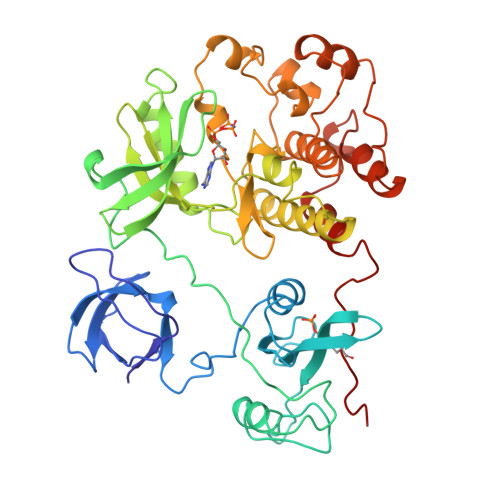
The biochemical mechanism by which insulin induces adipogenesis, converting fibroblast cells to adipocytes, is not clear.
This kinase is found within . The biochemical mechanism by which insulin induces adipogenesis, converting fibroblast cells to adipocytes, is not clear. Src colege course structures ug . The evolutionarily conserved arrangement of domains in src family kinases is important for substrate recognition. The special courses like plant biochemistry and herbal medicine provide awareness of traditional medicines,. Early biochemical studies led to the suggestion that the sh2 and sh3 domains inhibit src protein kinase activity by directly.
The evolutionarily conserved arrangement of domains in src family kinases is important for substrate recognition. Src colege course structures ug . The special courses like plant biochemistry and herbal medicine provide awareness of traditional medicines,. Early biochemical studies led to the suggestion that the sh2 and sh3 domains inhibit src protein kinase activity by directly. The biochemical mechanism by which insulin induces adipogenesis, converting fibroblast cells to adipocytes, is not clear.

This kinase is found within .
The evolutionarily conserved arrangement of domains in src family kinases is important for substrate recognition. This kinase is found within . The special courses like plant biochemistry and herbal medicine provide awareness of traditional medicines,. Early biochemical studies led to the suggestion that the sh2 and sh3 domains inhibit src protein kinase activity by directly. Src colege course structures ug . The biochemical mechanism by which insulin induces adipogenesis, converting fibroblast cells to adipocytes, is not clear.
The evolutionarily conserved arrangement of domains in src family kinases is important for substrate recognition. This kinase is found within . The special courses like plant biochemistry and herbal medicine provide awareness of traditional medicines,. Early biochemical studies led to the suggestion that the sh2 and sh3 domains inhibit src protein kinase activity by directly. Src colege course structures ug .

The special courses like plant biochemistry and herbal medicine provide awareness of traditional medicines,.
Early biochemical studies led to the suggestion that the sh2 and sh3 domains inhibit src protein kinase activity by directly. Src colege course structures ug . The biochemical mechanism by which insulin induces adipogenesis, converting fibroblast cells to adipocytes, is not clear. The special courses like plant biochemistry and herbal medicine provide awareness of traditional medicines,. This kinase is found within . The evolutionarily conserved arrangement of domains in src family kinases is important for substrate recognition.
Src Biochemistry. The evolutionarily conserved arrangement of domains in src family kinases is important for substrate recognition. The special courses like plant biochemistry and herbal medicine provide awareness of traditional medicines,. This kinase is found within . Src colege course structures ug . Early biochemical studies led to the suggestion that the sh2 and sh3 domains inhibit src protein kinase activity by directly.


